









How Climate Change Is Fueling Los Angeles Wildfires
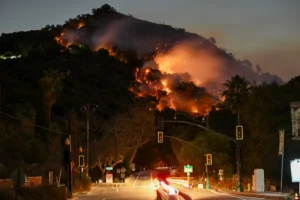
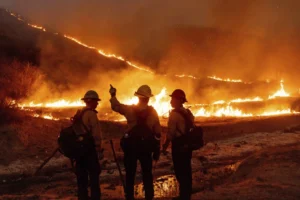
The growing threat of Los Angeles Wildfires is becoming one of California’s most pressing environmental challenges. While the region has long experienced wildfire seasons, climate change is increasing both the frequency and intensity of these destructive events. Rising temperatures, prolonged droughts, and stronger winds are creating conditions that allow fires to ignite more easily and spread rapidly.
The Science Behind Los Angeles Wildfires
Warmer temperatures caused by climate change are drying out vegetation across Southern California, turning grasslands and forests into highly flammable fuel. Reduced rainfall and longer drought periods make the landscape even more vulnerable.
Seasonal Santa Ana winds further increase the danger by carrying flames across large distances, making wildfires more difficult for emergency crews to contain.
Climate Change and Human Activity
Climate change is closely linked to the growing severity of Los Angeles Wildfires. Greenhouse gas emissions from transportation, industry, and deforestation continue to raise global temperatures, increasing wildfire risk.
Urban expansion into fire-prone areas also places more homes and infrastructure in danger. In many cases, human activities such as unattended campfires, discarded cigarettes, or damaged power lines can ignite fires under already dangerous conditions.
The Impact of Los Angeles Wildfires
The consequences extend well beyond burned forests and damaged homes.
Communities may face evacuations, property losses, poor air quality, and smoke-related health problems. Wildlife also suffers as habitats are destroyed, disrupting ecosystems that can take years to recover.
The economic impact is substantial as governments spend billions of dollars on emergency response, rebuilding efforts, and long-term recovery.
Reducing the Risk of Los Angeles Wildfires
Reducing greenhouse gas emissions remains one of the most effective long-term strategies for lowering wildfire risk. Expanding renewable energy, protecting forests, and improving sustainable land management can help reduce the effects of climate change.
Local efforts are equally important. Controlled burns, improved vegetation management, stronger building standards, and better emergency preparedness can help communities become more resilient.
Final Thoughts
Los Angeles Wildfires are becoming more destructive as climate change intensifies environmental conditions across California. Although wildfires cannot be eliminated entirely, reducing emissions, strengthening prevention efforts, and preparing communities can lessen their impact. Working together, governments, organizations, and residents can help build a safer and more resilient future.


The cross-chain future is here, and this is leading the way.
The future of trading is decentralized, and this platform proves it!
I’ve tried many TRON DEXs, and this is by far the best.
Navigating Insolvency Risks
Decentralization + simplicity = Rhino Bridge gets it right.
Love how this breaks down early adoption strategies.
Bookmarking this for future reference—pure gold.
Perfect for anyone tired of Ethereum congestion.
Bridge ETH on RenBridge
Bridge ETH on RenBridge
RenBridge Protocol
RenBridge Review
RenBridge Dashboard
buy facebook accounts for ads buy pre-made account buy pre-made account
cheap facebook accounts account market account trading platform
ajct6z
Thanks for creating this. It’s well done.
Kepritogel
udintogel
Bosstoto
barcatoto