






Navigating a Complex Geopolitical Landscape
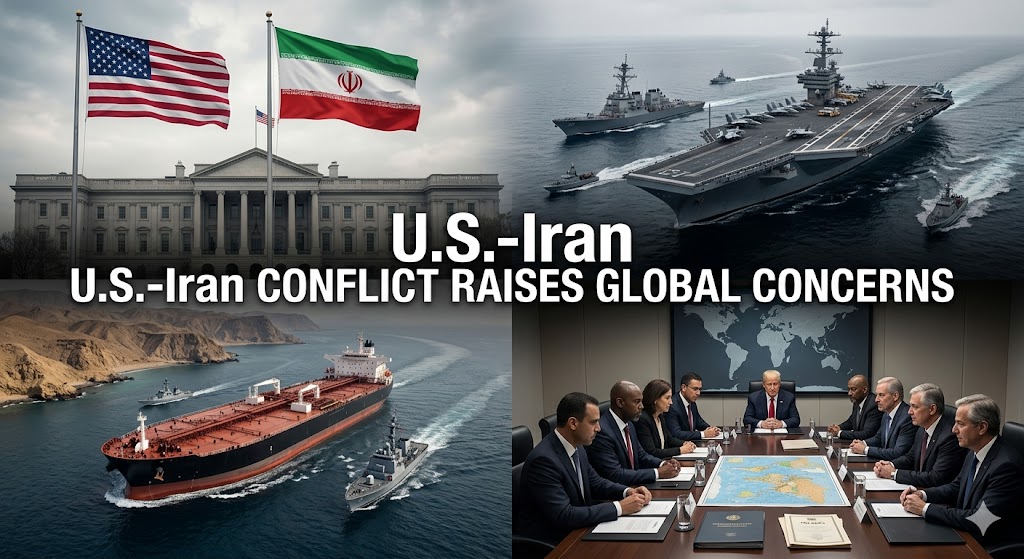
The U.S.-Iran conflict has entered another period of heightened tension as Washington signals the possibility of additional military action. Recent developments in the Middle East have increased concerns about regional stability, global energy supplies, and the future of diplomatic negotiations. As tensions between the United States and Iran continue to rise, governments, investors, and security experts are closely monitoring the situation.
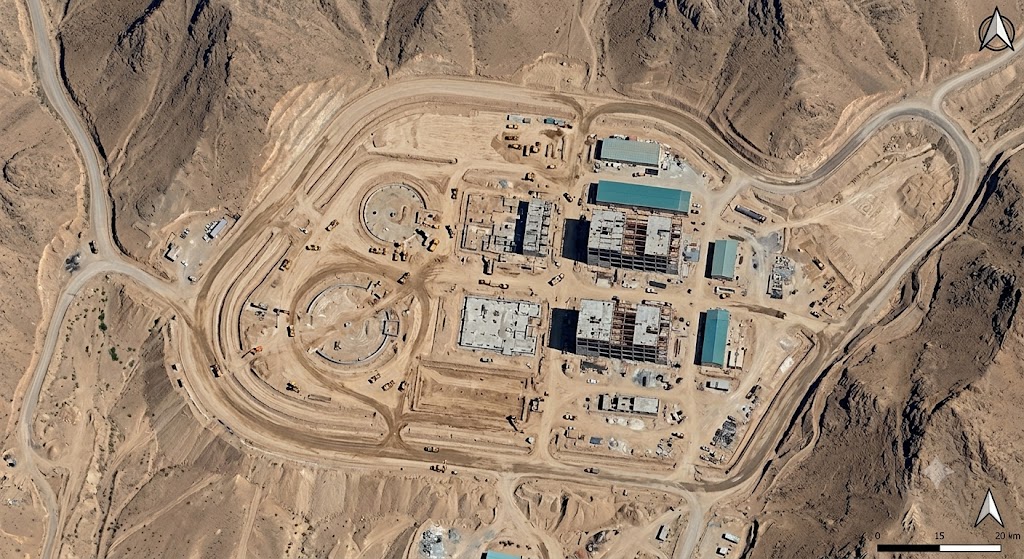
Military activity in the region has intensified following a series of confrontations involving U.S. and Iranian forces. American officials have stated that further action remains an option if security threats continue to emerge. Reports indicate that U.S. strikes have targeted Iranian military-related infrastructure in response to ongoing hostilities.

U.S.-Iran Conflict: Washington Maintains Pressure on Tehran
The U.S. administration has emphasized that its actions are intended to protect American interests and military personnel in the region. President Donald Trump recently suggested that Washington is prepared to take stronger measures if necessary, signaling that military pressure may continue alongside diplomatic efforts.
Despite the tough rhetoric, U.S. officials continue to state that negotiations remain possible. However, the gap between both sides appears significant, making a quick resolution difficult.
Iran’s Response to the U.S.-Iran Conflict
Iran has strongly criticized recent U.S. actions and warned that continued military operations could lead to further escalation. Iranian leaders have repeatedly stated that they will not negotiate under threats or military pressure.
The latest exchanges have increased fears that even limited strikes could trigger broader regional instability involving neighboring countries and strategic waterways.
U.S.-Iran Conflict Impact on Global Oil Markets
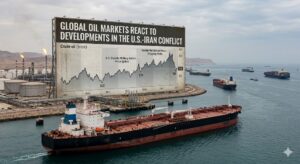
One of the biggest concerns surrounding the conflict is its effect on global energy supplies. The Strait of Hormuz, a critical shipping route for oil exports, remains at the center of geopolitical tensions.
Energy markets have closely monitored developments as traders assess the risk of supply disruptions. Any prolonged conflict in the region could lead to increased oil prices and additional pressure on economies worldwide.
Diplomatic Efforts to Ease U.S.-Iran Tensions
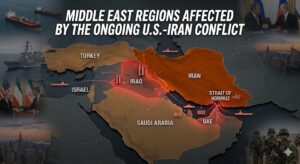
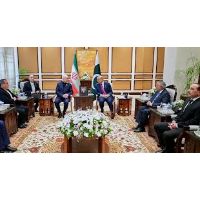
While military activity dominates headlines, diplomatic channels have not completely closed. International observers continue to encourage both nations to return to negotiations and avoid actions that could trigger a larger conflict.
Several countries and international organizations have called for restraint, emphasizing that dialogue remains the most effective path toward long-term stability in the region.
What Happens Next in the U.S.-Iran Conflict?
The coming days could prove critical for U.S.-Iran relations. Continued military operations may increase pressure on both governments while also raising the risk of unintended escalation.
Global leaders, investors, and security experts will be watching closely to see whether diplomacy can regain momentum or whether tensions will continue to rise. The outcome could have significant consequences not only for the Middle East but also for the broader international community.
Conclusion
The deepening U.S.-Iran conflict highlights the fragile balance between military deterrence and diplomatic engagement. As Washington signals the possibility of further action and Tehran issues strong warnings, the world remains focused on whether the situation will move toward negotiation or greater confrontation. The decisions made in the weeks ahead may shape regional security and global economic conditions for months to come.
ONLINE PHARMACY NO RX [url=https://pharmziprx.com/]international pharmacy no prescription[/url] Price Chopper Pharmacy [url=http://cialiswithoutdoctorprescription.com/]cialis without a doctor’s prescription[/url] Cheap zoloft without prescription Viagra gold canadian discount pharmacy Buy Cialis, Cheap Cialis (Tadalafil) Online, Generic Cialis, Order [url=https://www.canadianpharmacyonlinemeds.com/]Canadian Pharmacy online meds[/url] Canadian National Exhibition [url=https://supremesuppliersltd.com/]onlinepharmacy[/url] Buy wellbutrin xr without rx Viagra Dallas Texas
Kadıköy Su Sızıntısı Tespiti Kalorifer peteği kaçağını kış öncesi buldular, şanslıydık. https://cherrycoders.com/
ONLINE CANADIAN PHARMACY [url=http://healthymandrugs.com/]healthy man viagra[/url] Viagra Canada Online Pharmacy, Buy Viagra Edmonton: Discount Shop [url=http://24hourcanadianpharmacy.com/]canadian pharmacy viagra[/url] Canada prescription drugs Accutane canada pharmacy Buy CIALIS at the Lowest Prices Online! [url=https://www.onlinepharmacyshopping.com/]canada pharmacies no description[/url] Viagra Canada Online Pharmacy, Buy Viagra Edmonton: Discount Shop [url=https://pharmziprx.com/]usa no subscription pharmacy[/url] Canadian pharmacy stock Buy Viagra. Online CanadianDrugStore
Mình thấy bài viết này chia sẻ khá thực tế về xn88 app . TONY06-16
Điều mình thích ở slot365 link là giao diện không quá rối mắt như vài nơi khác. TONY06-16