





Questions Grow Over the Fund’s Future
Former U.S. President Donald Trump has declined to make a firm commitment about permanently ending the $1.8 billion anti-weaponization fund. His comments have sparked fresh debate over government oversight, accountability, and federal spending.
While discussing the program, Trump suggested that future leaders should evaluate the fund based on policy priorities and national needs. As a result, uncertainty continues to surround the program.
What Is the Anti-Weaponization Fund?
Lawmakers created the anti-weaponization fund to support efforts that prevent the misuse of government power. The initiative supports investigations, oversight activities, and reforms that aim to improve transparency within federal agencies.
Supporters believe the fund strengthens public trust in government institutions. They argue that additional oversight helps agencies operate fairly and responsibly.
Critics, however, question the program’s value. They claim existing oversight systems already perform many of the same functions.
Trump Stops Short of Making a Permanent Decision
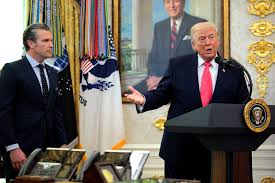
During recent remarks, Trump avoided making a clear promise about eliminating the fund permanently. Instead, he emphasized the need for flexibility when leaders allocate government resources.
His position leaves several options on the table. Future administrations could maintain the fund, restructure it, or eliminate it altogether.
The lack of a definitive answer continues to fuel discussion among political observers and policy experts.
Supporters and Critics Respond
Trump’s comments have generated reactions across the political spectrum.
Some supporters argue that policymakers should review government spending regularly before making long-term commitments. They believe taxpayers deserve programs that deliver clear value and measurable results.
Meanwhile, supporters of the anti-weaponization fund argue that accountability measures remain important regardless of political leadership. They warn that reducing oversight could weaken public confidence in government institutions.

Why This Debate Matters
The debate over the anti-weaponization fund reflects broader concerns about government accountability and federal spending.
Lawmakers continue to discuss how agencies should operate and how much funding they should dedicate to oversight efforts. Their decisions could influence future reforms and shape transparency policies for years to come.
As leaders examine spending priorities, programs like this will likely remain at the center of national conversations.
What Could Happen Next?
For now, policymakers have not made a final decision regarding the $1.8 billion fund.
Congress, future administrations, and budget negotiators will likely determine the program’s future. They must weigh the benefits of accountability programs against concerns about federal spending.
Until leaders reach a clear decision, the anti-weaponization fund will remain a significant topic in U.S. political debate.
Conclusion
Trump’s decision to leave the future of the anti-weaponization fund open-ended has created uncertainty about the program’s long-term direction. As discussions about government accountability and spending continue, supporters and critics alike will watch closely for the next developments.
The final outcome could shape oversight policies, government reform efforts, and federal budget priorities for years to come.